
Making lithium-ion
battery systems safer.
LithiumPrevent 200REX
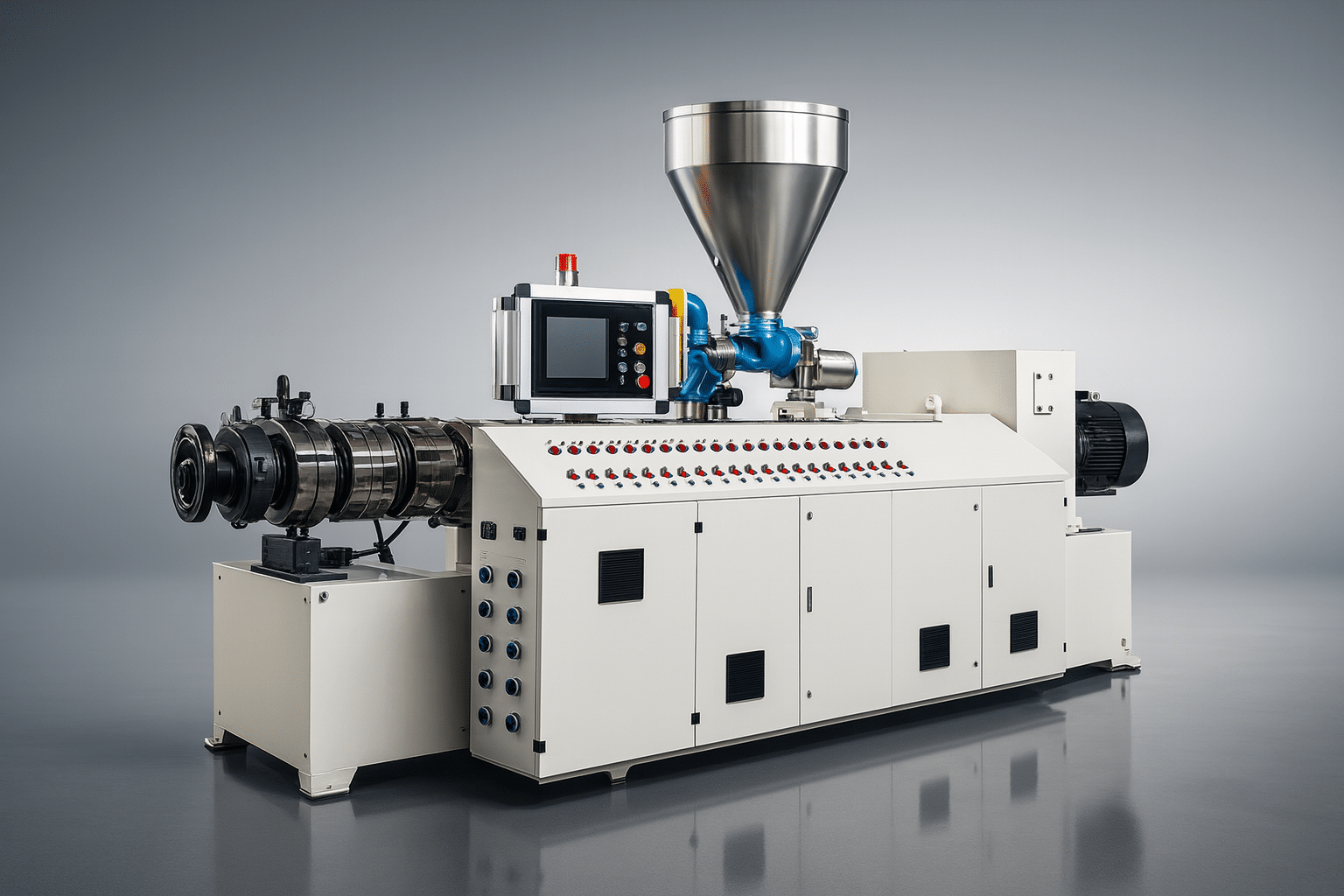
LithiumPrevent 200REX is an extrudable fire safety solution for lithium-ion batteries.
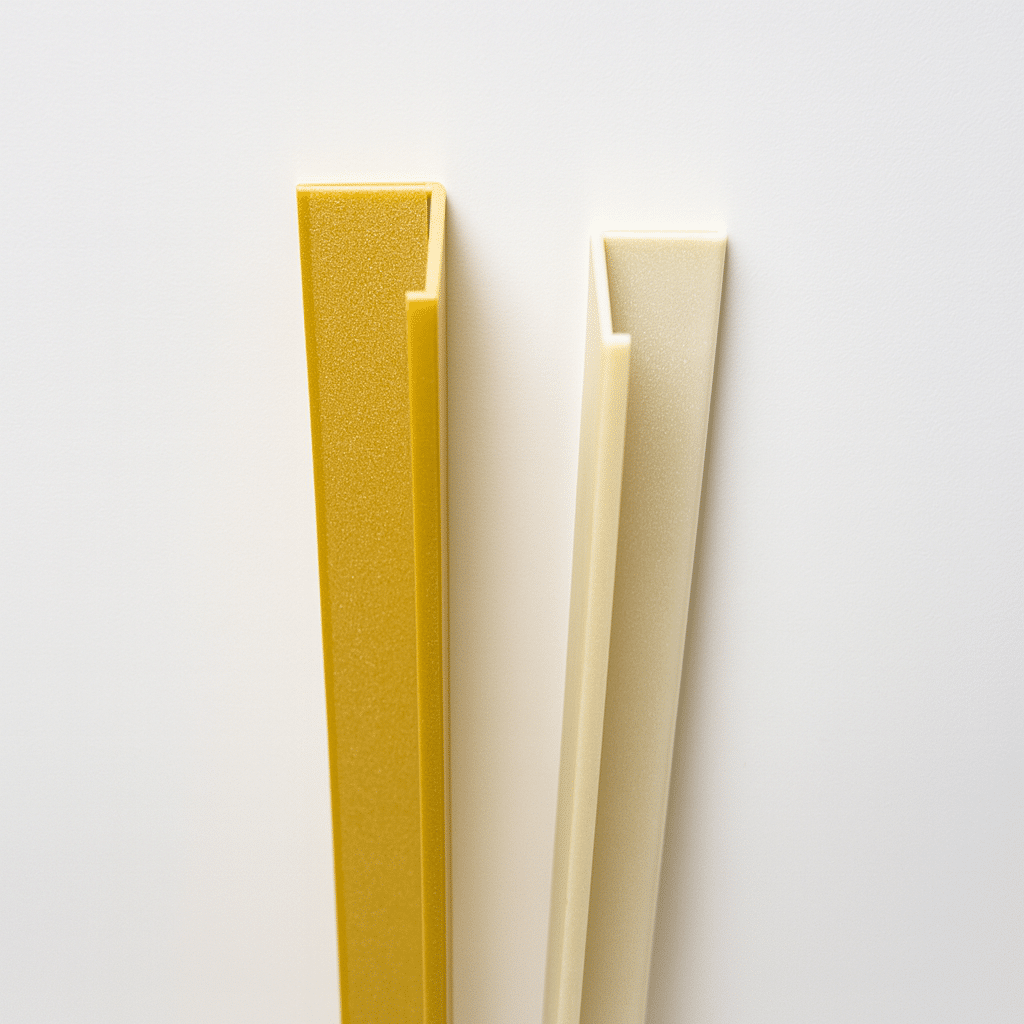
LithiumPrevent 200REX gives OEM engineers new design freedom to integrate passive fire protection into continuous profiles, sheets, panels, and complex geometries.
Design Flexibility:
Create continuous shapes and custom profiles to fit unique battery architectures.
Scalability for OEMs:
Efficient large-scale production with reduced tooling costs.
Seamless Integration:
Easily incorporate extruded fire protection barriers into module housings, spacers, or enclosures.
Lightweight & Consistent:
Uniform extruded components deliver reliable material performance across the entire assembly.
Fewer Parts & Reduced Complexity:
Multiple features and functions can be integrated into a single continuous profile, minimizing part count and simplifying assembly. This reduces manufacturing complexity and assembly time while lowering costs and the risk of errors.
VIDEOS
LithiumPrevent vs. LGPP: Torch Test for Lithium-Ion Battery Fire Protection.
See how Pyrophobic LithiumPrevent® LP200R and LP200REX perform against low-loading glass fiber polypropylene (LGPP) at 3 mm thickness in this comparative torch test.
Torch test: LithiumPrevent, PP, LGPP, HGPP, Mica.
Torch test comparing LithiumPrevent (LP200R & LP200REX) vs Flame-retardant PP, LGPP (Low-loading glass fiber PP), HGPP (High-loading glass fiber PP) and Mica, at 3 mm thicknesses.
LithiumPrevent vs Mica - Product Torch Test
This video shows the performance of the Pyrophobic LithiumPrevent compared to Mica during a product torch testing.
LP200REX Torch Test (different thicknesses), li-ion battery thermal runaway extrudable PFP material.
Pyrophobic LithiumPrevent 200REX (LP200REX) torch test in different thicknesses. LP200REX is an extrudable fire safety material for lithium-ion batteries.
Torch test: LithiumPrevent, PP, LGPP, HGPP, Mica.
Torch test comparing LithiumPrevent (LP200R & LP200REX) vs Flame-retardant PP, LGPP (Low-loading glass fiber PP), HGPP (High-loading glass fiber PP) and Mica, at 3 mm thicknesses.
LithiumPrevent 200REX features the same proprietary intumescent technology as other LithiumPrevent formulations, delivering trusted protection against lithium-ion battery hazards:
• Contains thermal runaway at the cell or module level.
• Provides thermal separation between cells and modules.
• Controls explosive pressure events.
• Prevents cascading fire propagation.
• Blocks heat transfer to adjacent combustibles.
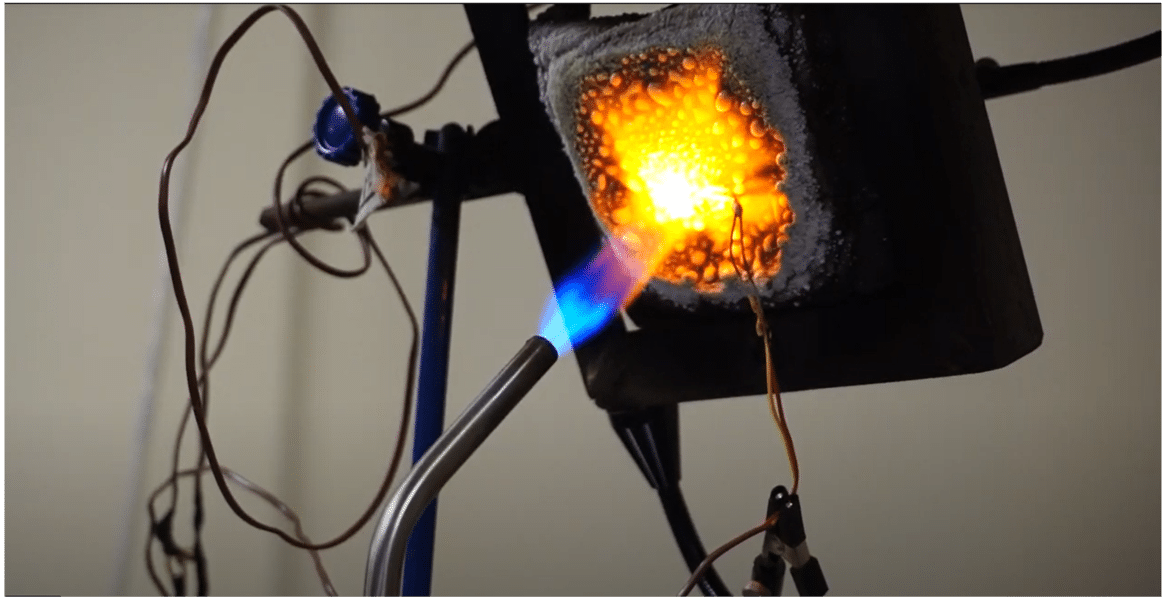
• Absorbs Heat
• Forms a Char
• Blocks Fire
• Stops Arcing
• Prevents Smoke Induced
Current Paths

• Cell Containment
• Busbar Isolation
• Pack Lid Defense
Properties
State
Solid
Colour
All Colours Available Upon Request
Density
1.19
Performance Data
ASTM Test Standard
LP 200REX
ASTM D638-22 – Tensile Strength
24 MPa
ASTM D638-22 – Tensile Modulus
2150 MPa
ASTM D638-22 – Elongation at Break
3.3 %
ASTM D256-23 Method A – Izod Notched Impact Strength
53 J/m,C
ASTM D648-18 – Heat Deflection Temperature
63.8 °C
ASTM D696-16 – Coefficient of Linear Thermal Expansion
6.541E-05 /°C
UL 746A Sect 33 – High-Current Arc Ignition
PLC-0
ASTM D3638-21 – Comparative Tracking Index
CTI 561
UL 94 Section 8 – Vertical Burn
2 mm V-0
ASTM D3874-20 – Hot Wire Ignition
PLC-0
Start Expansion – Pyrophobic Internal
200°C
Volumetric Expansion – Pyrophobic Internal
2 – 3 X
FAQ
What are the main differences between LithiumPrevent 200REX (LP200R) and LithiumPrevent 200REX (LP200REX)?
The processing method. LithiumPrevent 200R is suitable for injection molding, while LithiumPrevent 200REX is designed for extrusion.
How does LithiumPrevent fire performance compare?
LithiumPrevent 200REX achieves UL 94 V-0 rating at 2 mm thickness and demonstrates excellent resistance to ignition. UL2596 Torch & Grit performance: withstands 2 cycles at 2 mm, 4 cycles at 3 mm, and 5 cycles at 4 mm.
Any special handling or safety precautions for LithiumPrevent?
Refer to SDS. Avoid contamination or contact with acetal resins (POM) to prevent hazardous reactions.
What are the typical costs or benefits of LithiumPrevent compared to alternatives?
- The price will depend on some variants, such as quantity, project complexity, timeline, etc.
- But Pyrophobic’s LithiumPrevent 200REX is an extrudable intumescent thermoplastic that enables continuous profiles/sheets and feature integration, reducing part count and assembly complexity.
- Additionally, LithiumPrevent 200REX provides intumescent fire protection plus electrical insulation (e.g., UL 94 V-0 at 2 mm; CTI 561; PLC-0 in HAI/HWI), combining multiple safety functions in a single material, which can replace multi-layer stacks (e.g., passive insulators alone).
- We will be glad to set up a quick call for a better understanding of the project and elaborate a specific quote.
What is the expected lead time and supply reliability for LithiumPrevent?
- It will depend on some variants, such as quantity, project complexity, address, etc.
- LithiumPrevent 200REX can be supplied as pellets, powder or finished parts.
- We will be glad to set up a quick call for a better understanding of the project and elaborate a specific quote with lead time.
Which applications of LithiumPrevent can be used?
- LithiumPrevent 200REX can be used in cell containment, busbar isolation, and pack-lid defense, and integrated into module housings, spacers, and enclosures as extruded continuous profiles/sheets.
- The LithiumPrevent family targets thermal runaway containment/propagation prevention for EV and ESS/BESS.
How intumescence works?
Intumescent systems absorb heat and expand to form a protective char layer, creating a thermal and physical barrier that prevents flame from spreading and can seal gaps (key in thermal runaway scenarios).
What is the difference between injection molding and extruding?
- Extrusion is a continuous process: molten polymer is pushed through a die to create constant cross-section profiles (e.g., channels, trims, sheets), typically with lower tooling cost and quicker tooling lead.
- Injection molding is cyclic: molten polymer is injected into a closed mold to make complex 3D parts, enabling detailed features. Injection molding is performed under higher pressures.
- These differences guide whether you choose LithiumPrevent 200R (injection-moldable) or LithiumPrevent 200REX (extrudable).
What are the advantages of LithiumPrevent 200REX compared to Mica?
- Mica is a proven, passive high-temperature electrical/thermal insulator (widely used under lids, as barriers, etc.), but is often brittle, labor-intensive to process into intricate shapes, and may raise sourcing/ethical-mining concerns.
- LithiumPrevent 200REX, by contrast, is an intumescent thermoplastic that can be extruded into tailored continuous profiles and expands 2–3x, providing an active char-forming barrier plus electrical insulation (e.g., CTI 561; UL 94 V-0 at 2 mm). This enables design integration (fewer parts/assembly steps) and functional layering that mica alone doesn’t provide.
When (in which temperature) starts the expansion of LithiumPrevent?
LithiumPrevent 200REX expansion (reaction) starts at 200 °C.
How much can LithiumPrevent expand?
LithiumPrevent 200REX expands 2 to 3 times their size.
What forms and processing routes are available for LithiumPrevent?
- Forms: Pellets and powder (for extrusion).
- Process: Extrusion for LithiumPrevent 200REX.
- The LithiumPrevent family also supports injection molding via LithiumPrevent 200 and LithiumPrevent 200R.
- Pyrophobic can prototyping via CNC’d blocks and production via injection molding, thermoforming, or extrusion depending on design/economics.
Is LithiumPrevent 200REX relevant for EV (Electric Vehicle), ESS (Energy Storage Systems) and BESS (Battery Energy Storage System) compliance testing?
The LithiumPrevent family is developed for thermal runaway containment/propagation prevention, certified by UL 9540A and other fire tests (e.g., UL 94). LithiumPrevent 200REX itself lists UL 94 V-0 (2 mm) and electrical ignition/tracking performance.
LithiumPrevent 200REX lists UL 94 V-0?
Yes, LithiumPrevent 200REX is listed as UL 94 V-0 (2 mm).
How does LithiumPrevent 200REX compared to purely passive barriers in thermal events?
- Technical literature explains that intumescent materials generate an expanding, insulating char under heat, whereas passive insulators (e.g., mica, aerogel) primarily resist heat transfer and can require layering/sealing to achieve similar protection.
- LithiumPrevent 200REX provides better passive fire safety solutions because of their active expansion and multi-functionality (thermal + electrical + arc suppression) of its intumescent thermoplastics.
Where is LithiumPrevent 200REX available?
The LithiumPrevent 200REX TDS lists Americas, Europe and Asia-Pacific but you can contact Pyrophobic for other regions too.
Injection molding vs. extruding for my design. How do I decide within the LithiumPrevent family?
- Choose LithiumPrevent 200 or LithiumPrevent 200R (injection-moldable) for complex 3D parts that need integrated features (bosses, clips, fastener seats).
- Choose LithiumPrevent 200REX (extrudable) for linear profiles/sheets (cell spacers, channel sections, lid perimeters) with lower-cost/faster dies and continuous production.
Do you have third-party fire/electrical credentials, or is this just internal data for LithiumPrevent LP200REX?
Yes, LithiumPrevent LP200REX is listed as UL 94 V-0 at 2 mm, CTI 561 (ASTM D3638) and HAI/HWI PLC-0, the exact metrics pack teams request for flammability, tracking, and ignition resistance.
Can I replace mica boards for LithiumPrevent 200REX?
Yes, especially when you need an active barrier in an engineered profile. LithiumPrevent 200REX is an extrudable, intumescent thermoplastic that expands 2–3x and carries UL 94 V-0 (2 mm) and CTI 561. LithiumPrevent 200REX provides gap-sealing and electrical insulation in continuous custom profiles that will reduce parts/operations and add active protection.
Between cells we only have millimeters. Can LithiumPrevent 200REX be that thin?
Yes, but we recommend a minimum thickness of 2 mm for great performance.
Has LithiumPrevent 200REX been used for any company?
Yes, the LithiumPrevent family has been used by companies in the EVs and ESS with outstanding results to prevent and contain thermal runaways in lithium-ion batteries.
Does LithiumPrevent 200REX really prevent thermal runaway?
Yes, LithiumPrevent 200REX published as UL 94 V-0 (2 mm), CTI 561 and HAI/HWI PLC-0, with expansion rate of 2–3x, and the intended functions such as char barrier, arc suppression and smoke path interruption. LithiumPrevent have been helping a variety of companies to contain propagation when properly integrated.
We’re already using Nomex® papers and 3M/TRP films, why swap to LithiumPrevent 200REX?
- Those are excellent passive barriers. LithiumPrevent 200REX doesn’t compete on sub-millimeter films, it complements them by delivering active expansion in engineered plastic geometries (perimeters, channels, busbar isolators) with published UL/CTI/ignition metrics.
- Many packs use both: films/papers in tight gaps and LP200REX profiles where expansion and sealing add value.
We’re already using mica sheets/laminates. Why switch to LithiumPrevent 200REX?
- Mica is a solid choice for planar, high-temperature electrical insulation but when you want the barrier to do more than passively endure heat, we recommend LithiumPrevent 200REX.
- LithiumPrevent 200REX is an intumescent thermoplastic designed for extrusion into continuous, custom profiles or sheets, that under heat it starts expanding around 200°C and grows 2–3x, forming an insulating char that can seal gaps, block flame paths, and interrupt arcing/tracking. Functions that mica by itself does not provide.
- In summary, keep mica where you need flat and passive high-temp boards. And use LithiumPrevent 200REX where active expansion and engineered cross-sections (perimeter seals, channels, spacers and busbar isolators) will help contain thermal propagation and reduce part count/assembly steps.
We’re already using Aerogel barriers (Aspen PyroThin®). Why switch to LithiumPrevent 200REX?
- PyroThin is excellent when your constraint is ultrathin and low-mass passive thermal blocking.
- But LithiumPrevent 200REX does something more: it’s an intumescent thermoplastic for extrusion that expands 2–3x, creating an active, char-forming barrier that can help seal gaps, block flame paths, and interrupt arcing/tracking. Additionally it comes with published electrical safety metrics (e.g., UL 94 V-0 at 2 mm, CTI 561, HAI/HWI PLC-0) that pack engineers often need to cite.
- Because it’s extrudable, you can design continuous, custom profiles or sheets to add purposeful geometry and reduce part count/assembly steps.
- In summary, keep PyroThin where you’re thickness and weight limited, and use LithiumPrevent 200REX where active expansion in an engineered cross-section plus electrical credentials deliver more value to the system.
What makes LithiumPrevent unique?
- Inherently Fire resistant, a higher degree of fire protection than adding a fire retardant to an engineered plastic.
- Highly insulating char which provides a thermal barrier is formed through an endothermic reaction.
- Electrically insulative (high Dielectric Breakdown strength).
- When dealing with lithium battery fire (i.e. class delta fire), this material stays up with rapid rise in temperature by reacting instantaneously.
Explore Our Range - LithiumPrevent Formulations

LEARN MORE
If you want to know more about us, our exclusive products and personalized solutions, contact us